


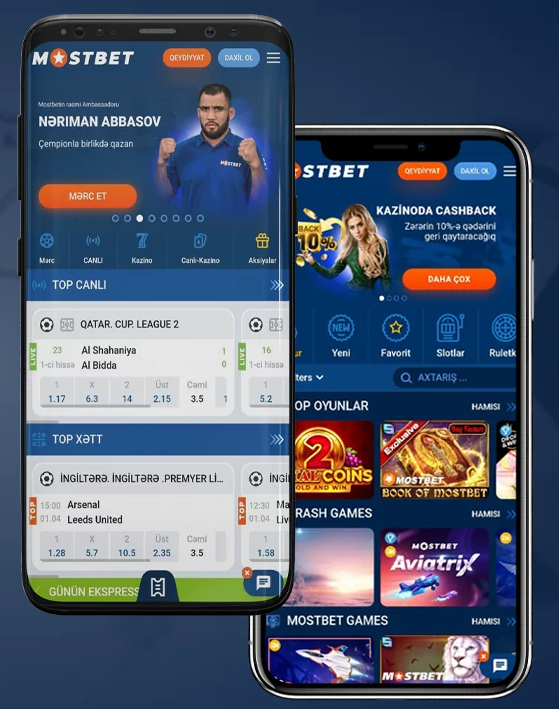
Choosing a trustworthy partner or service can be a daunting task, especially with the vast array of options available in today’s market. Whether you’re looking for a new mechanic, a financial advisor, or even a platform to play games like How to Pick a Trustworthy Online Casino in Bangladesh Mostbet casino, it’s crucial to make an informed decision. Trustworthiness is often the cornerstone of a successful relationship, and understanding how to assess it can save you time, money, and frustration. In this article, we’ll delve into the essential steps you should take when trying to pick a trustworthy partner or service.
1. Conduct Thorough Research
The first step in picking a trustworthy partner is to conduct thorough research. Start by identifying your needs and the kind of service you require. Once you have a clear idea, use online resources to gather information about potential candidates or companies. Search engines are your friend—enter keywords related to your needs and explore the first few pages of results.
Look for official websites, blogs, and articles that discuss the services you’re interested in. Sometimes, industry-specific forums or websites can offer valuable insights. Don’t forget to explore social media as well; platforms like Facebook, LinkedIn, and Twitter can provide updated information and customer interactions that give you a better picture of the service’s reputation.
2. Read Customer Reviews
Once you’ve compiled a list of potential partners or services, the next step is reading customer reviews. Reviews can provide a wealth of knowledge about the experiences of others and often reveal trends in service quality. Websites like Trustpilot, Yelp, and Google Reviews can serve as excellent resources for this information.
While reading reviews, pay attention to both the positive and negative comments to gain a balanced perspective. Be wary of services that only have a handful of reviews or overwhelmingly positive feedback; this could indicate fake reviews or a lack of experience.
3. Seek Personal Recommendations
In combination with online research and reviews, personal recommendations can carry significant weight. Talk to friends, family, and colleagues about their experiences with various services. They may provide insights that you wouldn’t find online, along with personal feelings towards a particular service’s trustworthiness.
If you’re considering a service related to a specific industry, ask those who have experience in that field. For instance, if you’re looking for a financial advisor, consult with those who have investments or financial interests. Their firsthand experiences can simplify your decision-making process.
4. Verify Credentials and Licensing
For many services, especially in sectors like healthcare, finance, and legal, credentials and licensing are essential indicators of trustworthiness. Ensure that the partner or service provider has the necessary licenses to operate legally in your area. You can usually verify this information through state or national licensing boards.

Depending on the field, you might also want to check for certifications or memberships in professional organizations. These credentials often indicate a commitment to best practices, continuing education, and ethical standards.
5. Assess Communication Skills
The way someone communicates can be very telling about their trustworthiness. When reaching out to potential partners, assess how they respond to your inquiries. Are they prompt, respectful, and clear in their communication? Or do they provide vague responses that leave you with more questions than answers?
Good communication is essential for building trust, so ensure that the partner you choose is someone you feel comfortable communicating with. If they are responsive and attentive to your concerns, it’s likely they value their customer relationships.
6. Evaluate Transparency
A trustworthy service will be transparent about its processes, costs, and policies. Take note of how upfront they are about fees, terms of service, and any other pertinent information. If a partner is hiding details or being vague about costs, that can serve as a red flag.
Don’t hesitate to ask questions until you are satisfied with the answers. A reputable service provider will understand the importance of providing clarity and should be willing to answer your questions confidently and openly.
7. Trust Your Instincts
Finally, no amount of research can replace your intuition. If something feels off during your interactions with a service or partner, trust your instincts. It’s essential to feel comfortable and at ease with the person or service you’re considering, as trust is a vital part of any relationship.
Read between the lines and listen to your gut feelings. If you’re hesitant for any reason, it might be worth it to continue your search for someone who feels right for you.
Conclusion
Choosing a trustworthy partner or service requires diligence and a systematic approach. By conducting comprehensive research, seeking personal recommendations, verifying credentials, assessing communication, ensuring transparency, and trusting your instincts, you can make an informed choice. Remember that building trust takes time, and establishing a solid foundation is crucial for a long-lasting relationship. Make sure you invest the effort needed to find a partner that meets your needs and values trust as much as you do.

